
Dr. Josiah F. Joekai Jr. Presents Scholarly Research Paper on Constitutional Reform; Calls for Urgent Modernization of Liberia’s Constitution
Varflay Kamara
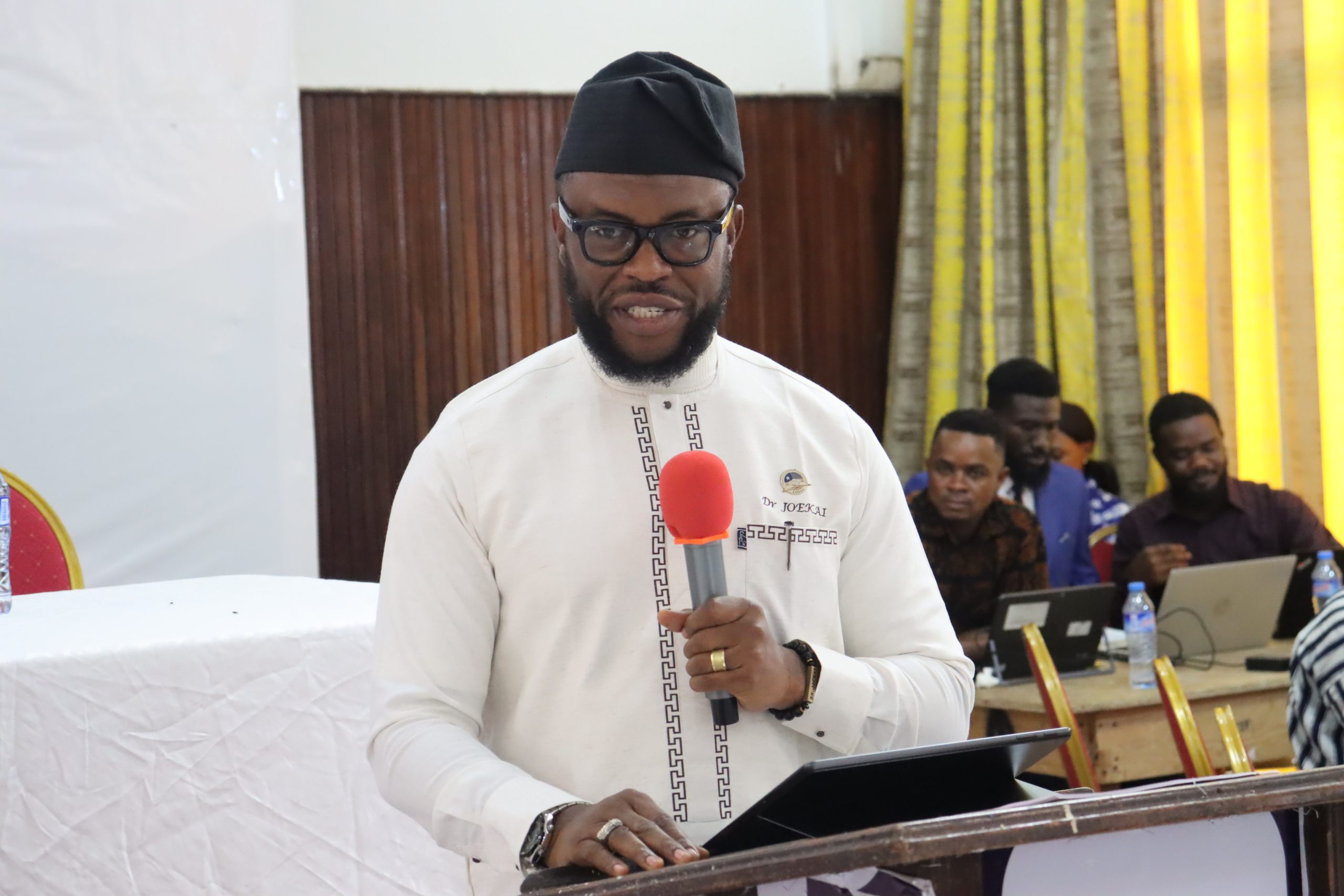
Monrovia, Liberia – June 11, 2026 – The Director-General of the Civil Service Agency (CSA) of Liberia, Dr. Josiah F. Joekai Jr., has presented a well-researched scholarly paper titled “Constitutional Reform in Liberia: An Assessment of the Gloria Scott Committee Report,” aimed at generating a national discussion for a robust reform of Liberia’s 1986 constitution.
Dr. Joekai presented the paper on Thursday, June 11, 2026, during a Public Policy Dialogue on Constitutional Reform organized by the Governance Commission in collaboration with the Law Reform Commission at the Monrovia City Hall.
The dialogue was held under the theme: “Review of the 1986 Constitution of Liberia: Imperatives, Challenges and Prospects.”
At the event, Dr. Joekai shared the platform with several distinguished legal experts and national figures, including Cllr. Gloria Musu-Scott, former Chief Justice of Liberia; Cllr. Philip A.Z. Banks, former Associate Justice of the Supreme Court; Cllr. Kwame Clement, President of the Liberia School of Law; Cllr. Pearl Brown Bull; and Cllr. Bornor Varmah, Chairman of the Law Reform Commission, among others.
Constitutional Reform: A National Imperative
Presenting the findings of his research, Dr. Joekai emphasized that constitutional reform has become increasingly urgent, arguing that several provisions of the 1986 Constitution no longer adequately address Liberia’s current governance realities and development aspirations.
According to him, the Constitution was drafted before the outbreak of the Civil War, prior to the national decentralization agenda, before significant technological advancements, and before contemporary discussions surrounding inclusion, transparency, accountability, and citizen participation became central to governance discourse.
As such, he argues that Liberia now requires governance structures capable of supporting effective decentralization, responsive public administration, economic competitiveness, and inclusive democratic participation.
“Constitutional reform is essential for strengthening democratic accountability by ensuring that public officials remain responsive to citizens and subject to effective oversight. Reform is equally important for promoting socio-economic development. Stable constitutional frameworks increase investor confidence, improve policy predictability, strengthen property rights, and support sustainable economic growth. Furthermore, constitutional modernization can enhance social cohesion by addressing historical grievances, expanding opportunities for participation, and strengthening guarantees of equality and inclusion,” Dr. Joekai asserted.
He stressed that for a nation seeking to consolidate peace and accelerate development, constitutional reform is not optional but a strategic necessity.
Key Priority Areas for Reform
Drawing from the findings of the Constitutional Review Committee (CRC) consultations and the Gloria Scott Committee Report, Dr. Joekai identified several priority areas that remain highly relevant today:
1. Decentralization and Local Governance
Article 54 currently empowers the President to appoint county superintendents and other local officials. Citizens have widely advocated replacing the appointment system with democratic elections to strengthen local accountability and citizen participation.
2. Presidential Tenure
Article 50 establishes a six-year presidential term. Many citizens recommended reducing the term to five years while maintaining constitutional term limits.
3. Legislative Tenure
Article 45 provides nine-year terms for Senators, while Article 48 establishes six-year terms for Representatives. Stakeholders argued that shorter terms would improve accountability and responsiveness.
4. Citizenship Reform
Article 27 restricts citizenship primarily to persons of Negro descent. Many stakeholders called for a review of the provision to reflect contemporary realities while safeguarding national interests.
5. Judicial Reform
Article 66 establishes the judicial power of the Republic. Citizens recommended strengthening access to justice through the creation of regional appellate courts and improvements in judicial administration.
6. Gender Equality and Women’s Rights
Although Article 11 guarantees equal protection under the law, stakeholders advocated stronger constitutional protections to enhance women’s political participation, inheritance rights, and economic empowerment.
7. Disability Inclusion
Participants recommended explicit constitutional protections to guarantee equal access, participation, and opportunities for persons with disabilities.
8. Anti-Corruption and Accountability
Several proposals focused on strengthening oversight institutions and enhancing constitutional mechanisms that promote transparency and accountability.
Assessment of Archaic and Outdated Constitutional Provisions
Dr. Joekai also highlighted several constitutional provisions that warrant careful reconsideration:
* Article 27 – Citizenship: Restricts citizenship eligibility to persons of Negro descent, raising ongoing debates about inclusion, investment, global mobility, and diaspora engagement.
* Article 54 – Presidential Appointment Powers: Concentrates significant appointment authority in the Presidency, potentially limiting local autonomy and institutional independence.
* Articles 50, 45, and 48 – Political Tenures: Establish lengthy terms for elected officials, whereas many democracies have adopted shorter tenures to enhance accountability.
* Article 97 – Legislative Immunity: Provides immunity for legislators concerning statements made during legislative proceedings, generating concerns regarding perceptions of unequal accountability.
* Centralized Governance Framework: Numerous provisions concentrate authority within the Executive Branch, limiting local democratic governance and citizen participation.
* Constitutional Silence on Emerging Issues: The Constitution predates contemporary concerns such as digital governance, cybersecurity, environmental sustainability, access to information, and modern public-sector management, leaving significant policy gaps.
Strategic Recommendations
To advance constitutional reform, Dr. Joekai proposed a phased, inclusive, and nationally owned process.
He recommended that:
1. The Government establish a National Constitutional Reform Roadmap under the leadership of the Governance Commission, with support from the Legislature, Judiciary, civil society, traditional leaders, academia, and development partners.
2. The Governance Commission conduct a technical review of the Gloria Scott Committee Report to assess recommendations that may require updating or refinement.
3. A nationwide civic education campaign be launched to increase public awareness and participation in constitutional reform discussions.
4. Broad stakeholder consultations be conducted across all counties and among major diaspora communities to ensure national ownership of the process.
5. A National Constitutional Conference be convened to build consensus on proposed amendments and reform priorities.
6. The Legislature initiate constitutional amendment procedures in accordance with Article 91, which outlines the process for proposing amendments through legislative action or citizen petition.
Dr. Joekai further recommended that all proposed amendments be submitted to the Liberian people through a national referendum in keeping with Article 92, which requires direct voter approval before constitutional changes can take effect.
Commendation to the Governance Commission
Dr. Joekai concluded by commending the Governance Commission (GC) and its partners for organizing the public policy dialogue and creating a platform for meaningful national engagement on constitutional reform.
He urged stakeholders to ensure that the recommendations emerging from the two-day dialogue are translated into concrete actions, supported by the political will necessary to achieve lasting constitutional modernization and democratic progress in Liberia.

Comments are closed.